

Why shared staff logins put hospitality businesses at serious risk
Shared staff logins feel like a shortcut, but they quietly create big security gaps. This blog post explains why they undermine accountability, investigations and compliance, and how tighter access can still be quick and remain secure ... Shared staff logins, A portal to our workplace, Trust and teamwork thrive In the hospitality sector, shared staff logins often look like the sensible option when teams are busy, shifts overlap, and turnover is high. They keep service moving, reducing "I've forgotten my password" moments and feel like a small, harmless compromise. Once shared staff logins become normal, the business quietly trades away traceability, control and resilience!A hotel or restaurant system is not just a till and a booking screen; it is a collection of real-time decisions. When several people use one account, the system can no longer answer basic questions with confidence, such as who refunded a payment, who changed a room rate, who placed what food order, or who exported a guest list. That loss of accountability is not theoretical; it becomes painfully real the first time something goes wrong, and management needs facts rather than guesses.Shared staff logins also make internal incidents harder to contain. A single password shared across a team becomes a permanent door key that is copied, texted and remembered long after someone has moved on. Even when a manager acts quickly, revoking access is effectively impossible without disrupting everyone, because changing the shared password disrupts the entire shift's workflow. In practice, many businesses delay the change, and that delay is exactly the window an opportunist needs. From a risk perspective, shared staff logins blur | ||||||||||||||||||||||||||||||||||||||||||||||||||||||||||||||||||||||||||||||||||||


Share the blog love ... | |||||||||||||||||||||||
#sharedstafflogins #HospitalityIT #CyberSecurity #DataProtection #AccessControl #UKHospitality |


About Wolverton Solutions ... | ||
|
More blog posts for you to enjoy ... | ||
 | IT in hospitality: why IT fails when you need it most IT in hospitality tends to wobble right when covers are full, and guests are least patient. This breaks down into avoidable patterns: lost orders, slower serving, and frustrated customers. Here's the practical way to think ab... | |
 | Why hospitality businesses feel IT pain more than other industries IT for hospitality businesses takes the hit first because service can't stop while systems recover. When tech stumbles, revenue, reputation, and staff confidence wobble in minutes. The good news is that the right approach tur... | |
 | What are the top IT challenges in the hospitality sector? The right IT system in the hospitality sector is becoming increasingly important as businesses rely more heavily on technology to deliver smooth, efficient and personalised guest experiences. From hotels and restaurants to pu... | |
 | What the hospitality industry gets wrong about IT In the hospitality industry, technology is often treated as a background utility; something that should function quietly and not require attention. On the surface, that seems reasonable. The focus is, after all, on guests, se... | |
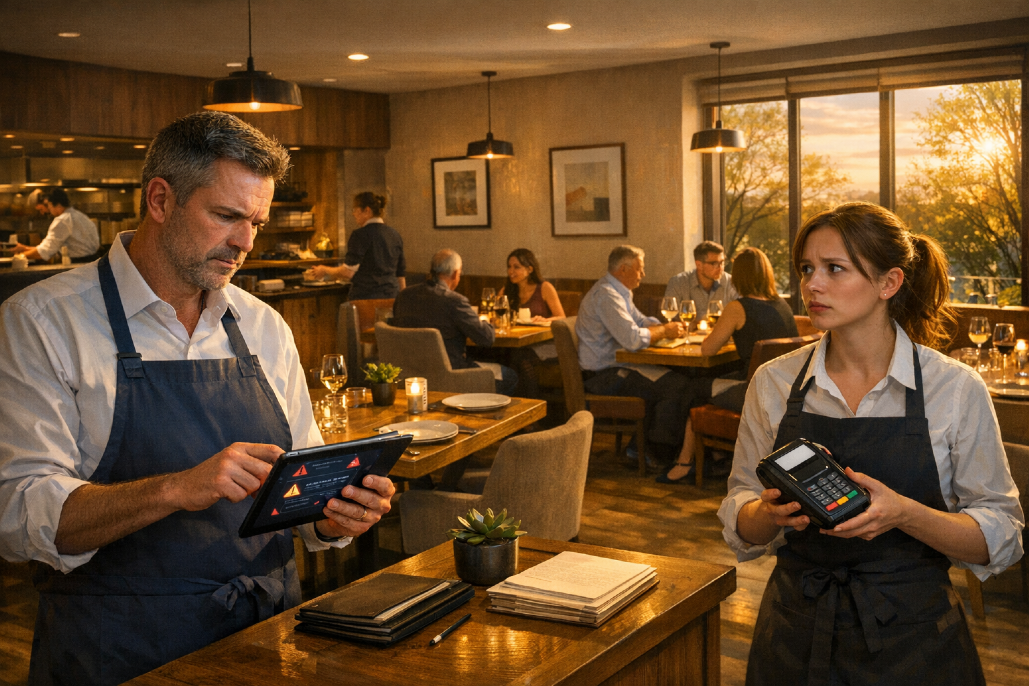 | How IT Failures Turn Into One Star Reviews Overnight In hospitality, reputation is everything. A cafe, restaurant, pub or hotel can spend years building a loyal customer base, only for a handful of negative online reviews to undo that hard work surprisingly quickly. What many h... | |
 | Why ''It's Always Worked Before'' Can Break Hospitality IT Overnight If ''it's always worked before'' is the plan, hospitality IT is already on borrowed time. Demand grows, updates shift, and hardware fades quietly until a busy service exposes the weakest link. A few proactive checks keep chan... | |
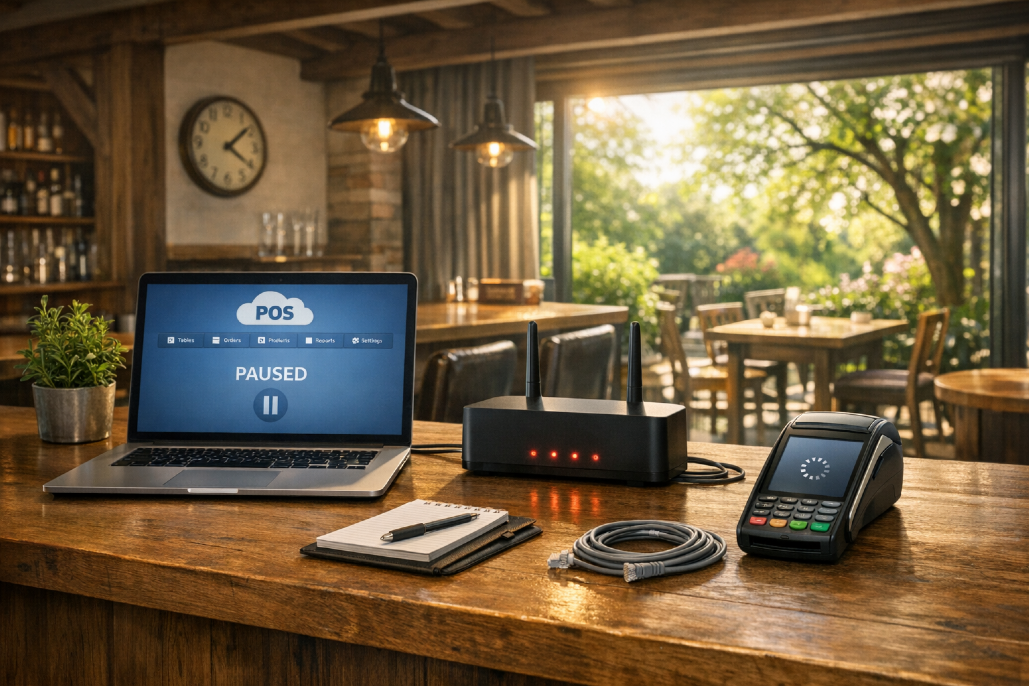 | When the internet goes down: keeping your hospitality venue trading calmly If the internet goes down, the venue doesn't have to. This is a practical, conversational look at what fails first, what still works, and how to plan resilience without drama. The goal is steady service, even on a bad connect... | |
 | Opening a new hospitality venue: why good IT planning saves years of hassle Opening a venue is exciting, but the tech can quietly make or break the day-to-day. Good IT planning keeps networks, internet, POS, and security aligned before the fit-out locks decisions in. It's the difference between firef... | |
Other bloggers you may like ... | ||
 | Why you should only use AI as a research tool, not the final word Posted by Pritesh Ganatra on https://blog.btsuk.net Use AI as a research tool to spark ideas and speed up reading. Then verify, compare sources, and keep judgment yours. It's guidance, not gospel ... ... | |
 | 10 reasons YourPCM is the small business CRM you'll actually use Posted by Steffi Lewis on https://www.yourpcm.uk Choosing a CRM can feel like a big decision, especially when so many systems promise everything but end up being overly complicated, expensive, or sim ... | |
 | Start the new tax year right: Stay on top of your side hustle records Posted by Alison Mead on https://blog.siliconbullet.com As we step into a new tax year, it's the perfect moment to reset, reorganise and get yourself one step ahead, especially if you have a side hustle, fr ... | |
 | A new tax year is here, and with it comes a raft of changes Posted by Roger Eddowes on https://blog.essendonaccounts.co.uk The start of the new tax year in April 2026 has brought a wave of changes, but for business owners and the self-employed, this isn't just background n ... | |